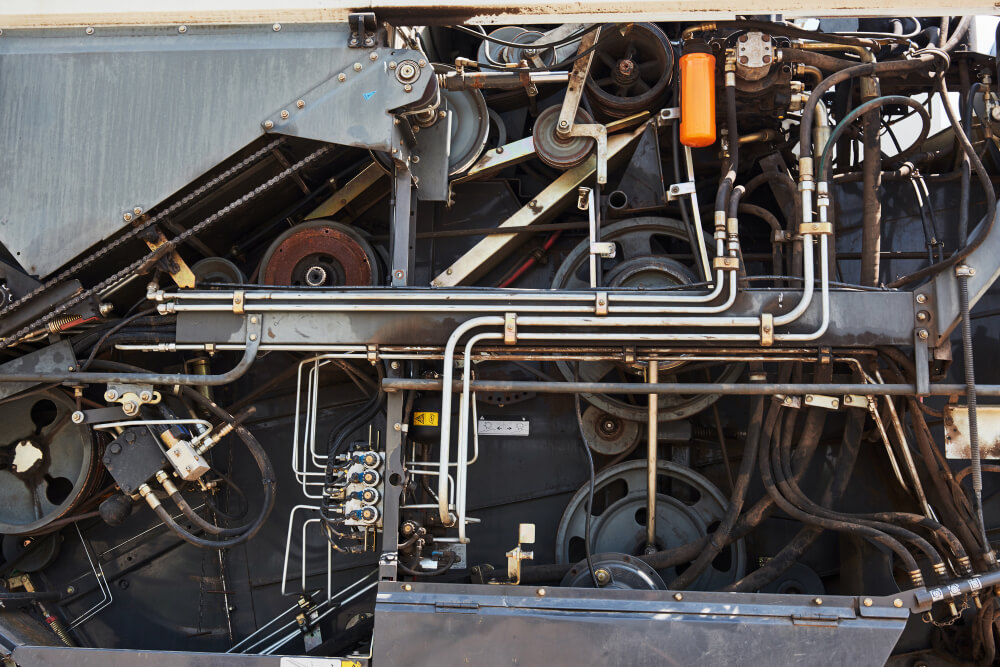
Hydraulic hoses are essential components in industrial machinery, construction equipment, manufacturing systems, and various heavy-duty applications. They are designed to transfer hydraulic fluid under pressure between different components, allowing machines to perform lifting, pushing, pulling, and other mechanical operations efficiently. Selecting the right hydraulic hose is important for ensuring reliable performance, operational safety, and long-term equipment durability.
What Are Hydraulic Hoses?
Hydraulic hoses are flexible tubes designed to carry hydraulic fluid under high pressure. They typically consist of an inner tube, reinforcement layers, and an outer protective cover. Each layer serves a specific purpose, helping the hose withstand pressure, temperature variations, abrasion, and demanding working conditions.
The correct hose depends on the equipment, operating pressure, fluid type, temperature, and environmental conditions.
Common Types of Hydraulic Hoses
Different hydraulic hoses are manufactured for different industrial requirements. Wire-braided hydraulic hoses are commonly used in medium- to high-pressure applications. Spiral-wire hoses are suitable for demanding systems that require high-pressure resistance. Thermoplastic hoses are lightweight options frequently used in specialized equipment and applications where flexibility and reduced weight are important.
Choosing the appropriate hose type helps maintain efficient fluid transfer and reduces the risk of premature failure.
Applications of Hydraulic Hoses
Hydraulic hoses are widely used in construction machinery, agricultural equipment, industrial manufacturing, material-handling systems, mining operations, and hydraulic power packs. Excavators, loaders, presses, cranes, and other hydraulic machines depend on reliable hoses to transmit power and operate effectively.
A suitable hydraulic hose supports consistent machine performance and helps minimize interruptions during daily operations.
Benefits of Choosing the Right Hydraulic Hose
Selecting a suitable hydraulic hose offers several advantages. It helps improve system efficiency, reduces leakage risks, supports safe operation, and minimizes unexpected maintenance requirements. Quality hoses can also withstand demanding operating conditions when properly selected, installed, and maintained.
How to Select the Right Hydraulic Hose
Before purchasing a hydraulic hose, consider the required working pressure, hose diameter, length, temperature range, fluid compatibility, and fitting specifications. Ensure that the hose meets the equipment manufacturer’s requirements and applicable safety standards. Professional guidance can help identify the most suitable solution for your application.
Conclusion
Hydraulic hoses are fundamental to the performance and reliability of hydraulic systems. Understanding their types, applications, and selection criteria helps businesses make informed decisions and maintain efficient equipment operation. By choosing appropriate hydraulic components and following regular inspection practices, you can improve reliability, reduce downtime, and support long-term industrial productivity.