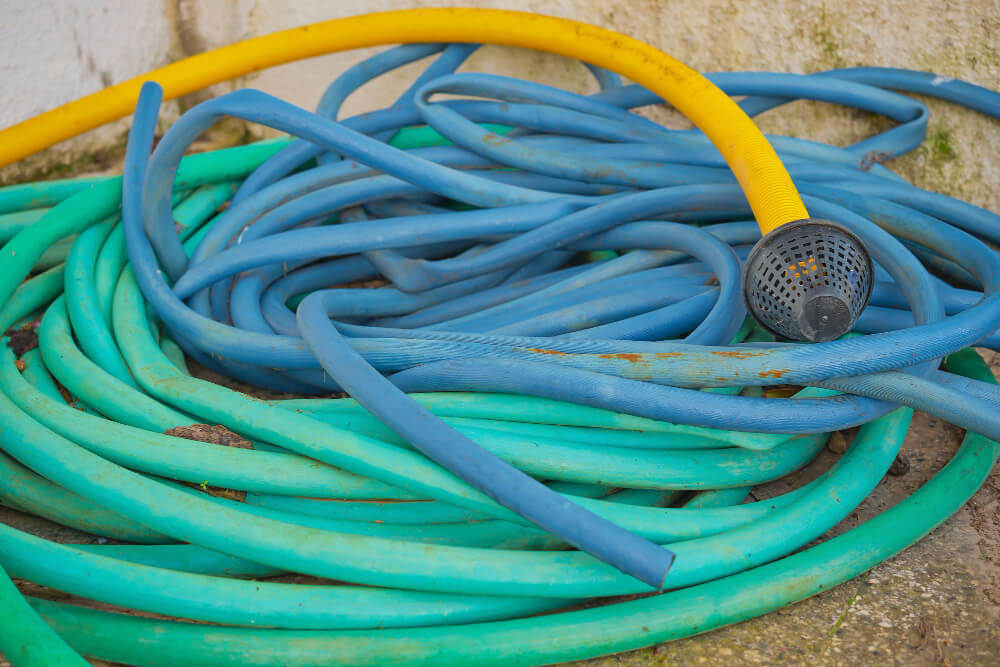
Hydraulic hoses play an important role in industrial machinery by transferring pressurized fluid between hydraulic components. These hoses operate under demanding conditions, including high pressure, vibration, temperature changes, and continuous movement. Without proper maintenance, hydraulic hoses can deteriorate, develop leaks, or fail unexpectedly. Regular inspection and timely replacement help maintain equipment performance, improve workplace safety, and reduce costly downtime.
Why Is Hydraulic Hose Maintenance Important?
Hydraulic hose maintenance helps identify potential problems before they lead to equipment failure. Damaged hoses can cause fluid leakage, reduced hydraulic pressure, inefficient machine operation, and environmental hazards. In severe cases, a hose failure under pressure can create serious safety risks for operators and nearby workers.
A planned maintenance routine helps businesses improve equipment reliability, control repair costs, and maintain smoother industrial operations.
1. Inspect Hoses Regularly
Visual inspections are one of the simplest ways to identify hydraulic hose problems. Check hoses for cracks, cuts, abrasion, bulging, exposed reinforcement wires, and fluid leakage. Pay particular attention to areas where hoses contact other components or experience frequent movement.
Any hose showing signs of significant damage should be assessed and replaced when necessary. Never ignore visible deterioration, even if the hydraulic system appears to be functioning normally.
2. Check Hydraulic Connections and Fittings
Loose fittings and damaged connections can lead to fluid leaks and pressure loss. Inspect hose connections, couplings, and fittings for signs of wear or damage. Ensure that all components are compatible and installed according to the equipment manufacturer’s specifications.
Never attempt to locate a hydraulic leak using your hands. High-pressure fluid can penetrate the skin and cause serious injuries.
3. Prevent Excessive Bending and Abrasion
Incorrect hose routing can shorten hose life. Excessive bending, twisting, stretching, and contact with sharp edges may damage the hose structure. Ensure hoses have adequate clearance, follow the manufacturer’s minimum bend radius, and remain protected from moving machinery and abrasive surfaces.
Proper installation reduces unnecessary stress and helps maintain reliable performance.
4. Monitor Operating Pressure and Temperature
Hydraulic hoses must be suitable for the system’s operating pressure and temperature. Excessive pressure, pressure surges, and unsuitable operating temperatures can accelerate deterioration. Always select hoses that meet the equipment’s technical requirements and replace components that no longer meet safe operating conditions.
5. Replace Damaged Hoses Promptly
Damaged hydraulic hoses should be replaced with compatible components that meet the required pressure rating, fluid compatibility, and fitting specifications. Before inspection or replacement, isolate the equipment, relieve stored hydraulic pressure, and follow the manufacturer’s safety procedures.
Conclusion
Effective hydraulic hose maintenance is essential for safe and efficient industrial operations. Regular inspections, proper installation, suitable component selection, and timely replacement can help reduce unexpected failures and extend equipment service life. By following a consistent maintenance schedule, businesses can improve hydraulic system reliability, minimize downtime, and support long-term productivity.